Build Your Own Cigar Sanctuary: A Room-by-Room Guide to the Ultimate Home Lounge
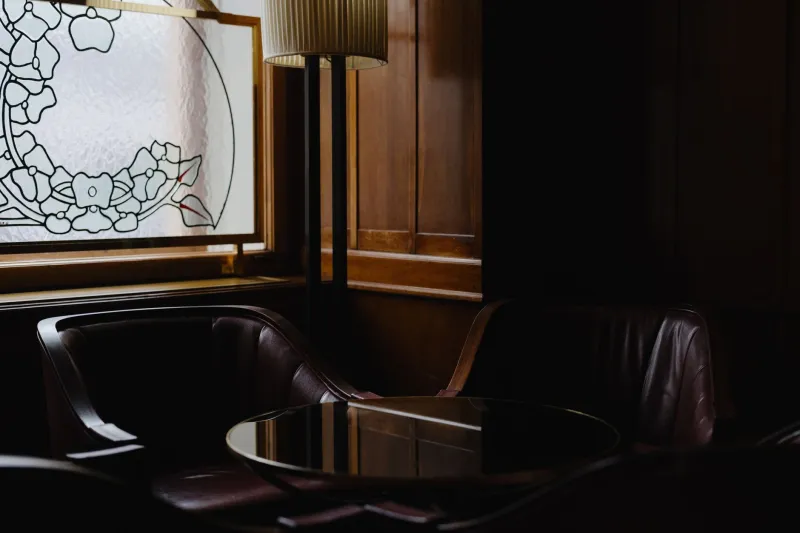
There's a certain magic that happens inside a great cigar lounge. The leather chairs, the low amber lighting, the hum of good conversation layered over the sweet drift of smoke—it's a vibe that feels both timeless and distinctly adult. The question is, why should that experience be limited to a downtown address with a cover charge?
More Swinger Cigar enthusiasts are investing in their own home smoking rooms, and honestly, it makes total sense. You pick the music. You stock the bar. You choose who gets an invite. When done right, your home lounge stops being a room and becomes a lifestyle statement.
Here's how to build it properly.
Start With the Right Space
Before you spend a dollar on furniture or gadgets, figure out where your lounge is going to live. The three most popular options are a spare bedroom, a finished basement, or a covered outdoor patio. Each has its trade-offs.
A spare bedroom gives you year-round climate control and privacy, but ventilation becomes your biggest challenge. A basement often has better airflow potential and natural insulation, making humidity management a little easier. An outdoor covered patio is arguably the easiest build from a ventilation standpoint—Mother Nature handles the smoke—but you're at the mercy of weather, especially if you're in the Midwest or Northeast.
Whatever space you choose, size matters less than you'd think. A well-designed 12x14 room can feel more luxurious than a poorly executed 20x20. Think intentionally, not just big.
Nail the Humidity and Temperature First
This is non-negotiable. A cigar lounge without proper humidity control is just a smoky room. Premium cigars are living things—they need to be stored and smoked in the right environment, typically between 65–70% relative humidity and around 65–70°F.
For a dedicated room, you'll want to invest in a room-sized humidification system. Brands like Cigar Oasis make whole-room units designed exactly for this purpose. Pair that with a quality hygrometer (digital, please—analog ones drift) mounted at seating level, not near the ceiling.
If you're also storing your collection in the space, consider a built-in walk-in humidor cabinet along one wall. It's a functional centerpiece that doubles as a serious conversation starter. Companies like Vigilant and Aristocrat Custom build these to order and they look absolutely stunning in a finished room.
Don't forget temperature. A mini-split HVAC unit gives you independent climate control without tying into your home's main system—and it handles both heating and cooling depending on your region.
Ventilation: Don't Skip This Step
Smoke has to go somewhere. Even if you love the smell of a great Nicaraguan puro, your spouse, your furniture, and your HVAC system probably don't want to absorb it permanently.
The gold standard is a dedicated exhaust fan system connected directly to the outside, ideally with a makeup air intake to balance the pressure. An inline duct fan rated for your room's cubic footage (calculate length x width x height) will keep air cycling properly. Aim for at least 10 air changes per hour.
For outdoor patios, a ceiling fan is your best friend—it moves smoke away from the seating area without creating a wind tunnel. Add a retractable screen or pergola cover and you've got a four-season option in most parts of the country.
If a full exhaust build isn't in the budget yet, high-quality air purifiers with HEPA and activated carbon filters—like those from Rabbit Air or Blueair—can significantly cut down on smoke and odor. They're not a permanent solution, but they bridge the gap.
The Furniture: Comfort Is King
You're going to be sitting here for a couple of hours at a stretch. Invest in seating that earns its place. Full-grain leather club chairs and sofas are the classic choice for good reason—they're durable, easy to wipe down, and they age beautifully. Look at American brands like Hancock & Moore or, if you want something more accessible, Pottery Barn's leather collections hold up well and look sharp.
A solid side table at every seat is essential. You need somewhere to rest your drink, your cutter, your lighter, and eventually your ash. A sturdy cigar ashtray—the multi-rest kind—at every seating position keeps things civilized.
For larger spaces, consider a mix of seating: a couple of armchairs, a small loveseat, and maybe a bar-height table with stools near the humidor wall. Variety in seating arrangements naturally encourages better conversation flow.
Lighting, Aesthetics, and the Details That Make It Feel Premium
Lighting sets the entire mood of the room. Overhead fluorescents are a hard no. Go with warm-toned dimmable LED fixtures—recessed cans, pendant lights over a bar area, or vintage-style Edison bulb sconces. Layer your lighting so you can dial it up for socializing and down for a more contemplative solo smoke.
For walls, dark rich tones work beautifully—deep burgundy, forest green, charcoal, or classic walnut wood paneling all evoke that classic smoking room feel. Framed vintage cigar labels or tobacco art make for inexpensive but impactful wall decor.
A small wet bar or beverage station is a near-essential upgrade. Even a compact bar cart stocked with your go-to whiskeys, a few crystal tumblers, and some good ice (yes, ice matters) elevates the entire experience. If you have the plumbing access, a built-in bar with a small sink and under-counter fridge is the luxury tier.
Finally, sound. A Bluetooth speaker system or even a modest stereo setup lets you control the atmosphere. Jazz, blues, classic rock—whatever fits your crowd. Just keep it at conversation volume.
Budget Reality Check
Here's the honest breakdown. A basic functional lounge—good chair, air purifier, quality ashtray, hygrometer, and some fresh paint—can come together for $1,500 to $3,000. A mid-tier build with a dedicated exhaust fan, a couple of leather chairs, proper lighting, and a bar cart runs $5,000 to $10,000. A full luxury buildout with custom humidor cabinetry, mini-split HVAC, built-in bar, and premium furnishings? Budget $15,000 to $30,000+.
The good news: you don't have to do it all at once. Start with the fundamentals—humidity, ventilation, and one really good chair—then layer in the upgrades over time. The room grows with your collection and your taste.
The Payoff
At the end of the day, a home cigar lounge isn't just about smoking. It's about creating a space where you can decompress, entertain, and connect with the people who matter to you—on your terms, at your pace, with your sticks. That's the Swinger Cigar lifestyle in its purest form.
Build it right, and you'll never need a reservation again.