Beyond the Humidor: Can Premium Cigars Actually Build Your Wealth?
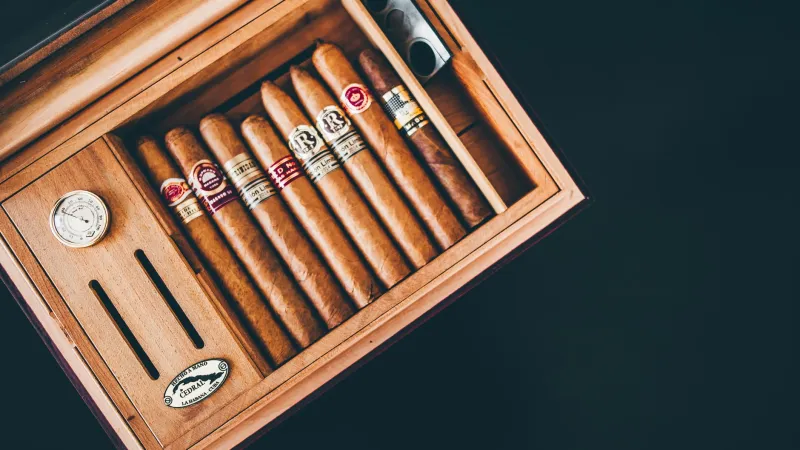
There's a reason serious collectors keep their humidors under lock and key. It's not just about protecting a beloved hobby — for a growing number of enthusiasts, it's about protecting an investment. The premium cigar market has matured considerably over the past two decades, and with that maturity has come something unexpected: genuine financial opportunity.
But before you start converting your spare bedroom into a climate-controlled vault, let's get into the real mechanics of cigar collecting as an alternative asset. What actually appreciates? What's hype versus history? And when does collecting for love of the leaf make more sense than chasing returns?
Why Cigars Are Having Their Alternative Investment Moment
The broader alternative investment market has exploded in recent years. Sneakers, trading cards, whiskey, art — investors are increasingly looking beyond stocks and bonds for assets that hold or grow in value while offering something traditional portfolios don't: passion. Cigars fit neatly into this category.
Unlike most consumer goods, premium cigars — particularly aged, limited-edition, or discontinued releases — can appreciate meaningfully over time. The mechanism is straightforward: supply is finite, demand from a global collector base continues to grow, and tobacco itself undergoes genuine chemical transformation during aging, often improving in ways that make old sticks genuinely more desirable, not just more nostalgic.
Cuba's decades-long trade embargo with the United States created a particularly fascinating collector dynamic. Pre-embargo Cuban cigars are among the most sought-after tobacco products on earth, and authenticated examples from the 1950s and early 1960s — think early Cohiba releases or vintage Montecristo No. 2s — can command prices that rival fine wine at auction.
What Historically Appreciates (And Why)
Not every cigar in your collection is going to fund your retirement. Understanding which categories have demonstrated real price appreciation is essential.
Vintage Cuban Releases Authenticated pre-embargo Cuban cigars remain the gold standard of cigar investment. The combination of genuine scarcity, legendary provenance, and improved smoking quality from decades of aging creates demand that consistently outpaces supply. Auction houses like Christie's have featured Cuban cigar lots that fetched thousands per box.
Limited Annual Releases Many of the major manufacturers — Arturo Fuente, Padron, Oliva, and others — release annual limited editions that sell out almost immediately at retail. The Padrón 1964 Anniversary Series and the Arturo Fuente OpusX have developed robust secondary markets where boxes trade well above original retail. The key is buying at release price and holding.
Discontinued Vitolas When a manufacturer discontinues a specific size or blend, remaining inventory becomes inherently scarce. Collectors who had the foresight to stock up on discontinued vitolas from respected brands have seen those investments pay off handsomely as demand from remaining fans outstrips available supply.
Aged Nicaraguan and Dominican Premiums Beyond Cuba, aged premiums from established Nicaraguan and Dominican producers have shown strong appreciation, particularly as the US market has deepened its appreciation for non-Cuban tobacco. Brands like Liga Privada from Drew Estate and the Plasencia Alma Fuerte have developed serious collector followings.
Storage: Where Most Collectors Leave Money on the Table
This cannot be overstated — improper storage doesn't just ruin a cigar, it destroys investment value entirely. A poorly maintained stick that's experienced temperature swings, humidity fluctuations, or tobacco beetle damage is worth exactly nothing on the secondary market.
The standard recommendation is maintaining storage between 65-70% relative humidity and 65-70°F. But serious investors go further:
- Spanish cedar lining in humidors naturally regulates moisture and adds a subtle aroma that many believe enhances aging
- Calibrated digital hygrometers rather than analog gauges, which are notoriously inaccurate
- Separate storage for investment-grade cigars — keeping your "drinking" collection separate from your appreciating assets prevents accidental consumption of your best holdings
- Tupperware or Tupperdor systems for medium-term storage of boxes you plan to hold, as they often maintain humidity more consistently than traditional humidors
For serious collectors, a dedicated wine cooler converted for cigar storage — sometimes called a "coolidor" — offers the most reliable temperature and humidity control at a fraction of the cost of a commercial humidor cabinet.
A Realistic Assessment: Passion vs. Profit
We'd be doing you a disservice if we didn't address the elephant in the room: most people who collect cigars will never turn a meaningful profit, and that's completely fine.
The transaction costs of the secondary market — auction house fees, shipping, authentication — can eat significantly into returns. Cigars also lack the liquidity of traditional investments; finding a buyer at your target price can take time. And unlike stocks or bonds, there's no standardized pricing mechanism, so values can be highly subjective.
What cigar collecting does offer — even without significant financial return — is a deeply enjoyable hobby with a built-in community, genuine aesthetic pleasure, and the satisfaction of curating something rare and beautiful. For most enthusiasts, that's the real return on investment.
For those genuinely interested in the financial angle, the smartest approach is to collect what you love and what has demonstrated historical appreciation. Don't buy something purely as an investment if you'd be devastated to smoke it. The best cigar investments are ones you'd be happy to hold forever and equally happy to sell when the time is right.
Market Trends Worth Watching Right Now
A few developments in the current market are worth keeping an eye on:
The normalization of US-Cuba relations remains an ongoing policy question. Any significant shift could dramatically alter the value of pre-embargo Cuban tobacco, though experts remain divided on the direction of that impact.
Climate change is beginning to affect tobacco growing regions in ways that could create supply constraints for certain blends, potentially increasing the value of existing inventory from affected areas.
The rise of online cigar auction platforms has created more price transparency and liquidity than the market has historically offered, making it easier to buy, sell, and track valuations.
Younger collector demographics are entering the market with different tastes — leaning toward bold, full-bodied Nicaraguan and Honduran profiles — which is beginning to shift which brands and vitolas command premium secondary market prices.
Starting Your Investment Collection
If you're ready to start thinking about your humidor with a more strategic eye, here's a practical starting point:
- Establish your budget — even modest allocations to investment-grade cigars can yield interesting results over a 5-10 year horizon
- Research release schedules from top manufacturers and set alerts so you can buy limited releases at retail
- Connect with the collector community — forums, local cigar lounges, and events are invaluable for understanding current market sentiment
- Document everything — purchase receipts, storage logs, and provenance documentation all matter when it comes time to sell
- Be patient — the cigar investment game rewards the long view
At the end of the day, the premium cigar world is one of the few places where sophistication, pleasure, and financial savvy can genuinely coexist. Whether you're building a collection for the love of the leaf or with one eye on appreciation, you're participating in something with real depth and history.
That's worth something all on its own.