Hold, Flip, or Trade: How Serious Collectors Decide What to Do With Their Most Valuable Sticks
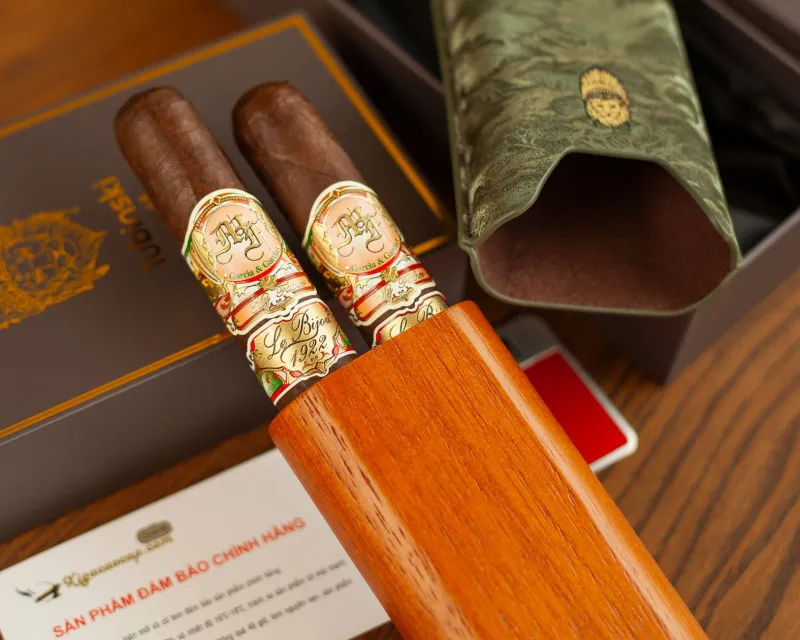
There's a moment every serious collector knows well. You open your humidor, reach past the everyday smokes, and your hand lands on something special — a box of aged Padróns, a limited Fuente OpusX release, maybe a handful of Cohiba Behikes you snagged before the price went nuclear. And suddenly the question isn't about what you feel like lighting up tonight. It's something bigger: Should I be holding onto these, or is now the time to move them?
That's the collector's dilemma in a nutshell. And if you've never wrestled with it, you're either just getting started or you haven't been paying close enough attention to what's sitting in your humidor.
Let's break it all down — the financial side, the trade game, and the surprisingly complicated psychology of letting go of cigars you genuinely love.
Know What You Actually Have Before You Do Anything
Before you can make a smart decision, you need an honest inventory. Not just a count of how many boxes you've got, but a real assessment of what each one is worth on today's market.
Start with the secondary market. Platforms like Cigar Auctioneer and various Facebook collector groups are your best real-time price feeds. What's a box of 2012 Fuente Fuente OpusX moving for right now? What are buyers actually paying — not what sellers are asking — for aged Cuban vitolas? These are the numbers that matter.
Next, factor in your acquisition cost and storage investment. If you've been properly maintaining a controlled-environment humidor and rotating your stock, you've added real value through care. That matters, especially to serious buyers who understand what proper aging does to a premium stick.
Finally, look at trajectory. Is demand for a particular line climbing, plateauing, or softening? Limited releases tied to retiring blenders or discontinued production runs tend to appreciate. Annual limited editions with wide distribution often peak quickly and level off. Knowing the difference is what separates a strategic collector from someone who just has a lot of cigars.
The Case for Selling: When the Numbers Make It Obvious
Selling makes sense in a few very specific scenarios. The first is when a cigar has appreciated to the point where the resale value genuinely exceeds what the smoking experience is worth to you. That sounds cold, but it's honest. If a box you paid $300 for is now fetching $900 on the secondary market, and you've got three more boxes of the same line, liquidating one isn't a betrayal — it's smart portfolio management.
The second scenario is when you need to fund an acquisition. Serious collectors do this all the time. You flip something that's peaked to free up capital for something that's still undervalued or just hit the market. Think of it like rotating stock in any other investment portfolio.
The third — and this one requires some self-honesty — is when you've held something so long that you're never actually going to smoke it. If a cigar has become more of a museum piece than something you're genuinely going to enjoy, selling it to someone who will either smoke it or continue aging it thoughtfully isn't a loss. It's passing the torch.
Trading: The Social Currency of the Collector World
Trading is a different animal entirely, and honestly, it's one of the most underrated aspects of being a serious collector. A well-negotiated trade isn't just a financial transaction — it's a relationship builder and a way to access cigars that money alone sometimes can't buy.
The key to a fair trade is understanding that value is subjective and regional. A stick that's highly sought after in Miami might be easier to source in Tampa. Something that's nearly impossible to find in the Midwest might be readily available to a collector in New York with the right shop connections. Geographic arbitrage is real in the cigar world, and smart traders use it to their advantage.
When evaluating a trade, look beyond face value. Consider age, condition, storage history, and rarity in your specific market. A slightly older cigar with documented proper storage can absolutely command a premium over a newer release that's been carelessly handled.
Also — and this is important — know who you're trading with. The cigar community is smaller than it looks, and reputation travels fast. Deal straight, represent your product honestly, and don't lowball people who know what they have. The best trades happen between collectors who respect each other, and those relationships compound over time in ways that are worth more than any single transaction.
The Hold Strategy: Patience as a Competitive Advantage
Sometimes the best move is no move at all. Holding is an active strategy, not just inaction — but it requires discipline and a clear rationale.
The strongest case for holding is when you believe a cigar is still in its appreciation window. Certain aged Cubans, for example, have demonstrated decades-long value trajectories. Boutique releases from blenders with cult followings — Crowned Heads, Davidoff's limited lines, select Rocky Patel vintages — often take years to fully realize their secondary market potential.
Holding also makes sense when you simply don't need the liquidity. If you're collecting as much for personal enjoyment as for investment, there's real value in the optionality of being able to smoke something extraordinary when the moment calls for it. Not everything needs to be monetized.
The risk of holding, of course, is misjudging the market. Trends shift. New releases can cannibalize interest in older ones. A blender's reputation can take a hit. Stay engaged with the community, read the trade publications, and don't let sentiment cloud your read on where a particular line is actually headed.
The Psychology of Letting Go
Here's the part nobody talks about enough: it's genuinely hard to sell or trade a cigar you love, even when the logic is airtight.
Collectors form real attachments to their sticks. A box of cigars from a particular year might be tied to a memory — a milestone, a trip, a person. That emotional weight is real, and it's not irrational. It's part of what makes this hobby more than just an investment vehicle.
But here's the reframe that helps a lot of collectors make peace with moving on: a cigar's value is realized either when it's smoked or when it passes to someone who will truly appreciate it. Letting a prized stick sit indefinitely in a humidor, never smoked and never sold, is the one outcome where nobody wins.
If you're struggling to pull the trigger on a sale or trade, ask yourself this: what's the best possible future for this cigar? If the honest answer involves someone else's humidor or someone else's lighter, that's your signal.
Building a Framework That Works for You
Every collector's situation is different, so there's no universal playbook. But here's a simple framework that works for a lot of serious enthusiasts:
Smoke what you bought to enjoy and what's in its prime window. Don't hoard experiences.
Sell when a cigar has clearly peaked in value and you have more of it than you'll realistically smoke.
Trade when you can access something you want more than what you have, and the deal is fair to both sides.
Hold when you genuinely believe the appreciation curve still has room to run — and you have the patience to wait it out.
The collectors who thrive long-term aren't the ones with the most sticks. They're the ones who stay clear-eyed about what they have, what it's worth, and what it's actually for. Keep that perspective, and your humidor will always be working for you — not the other way around.