New Smoke Rising: How a Younger, More Diverse Generation Is Rewriting Cigar Culture
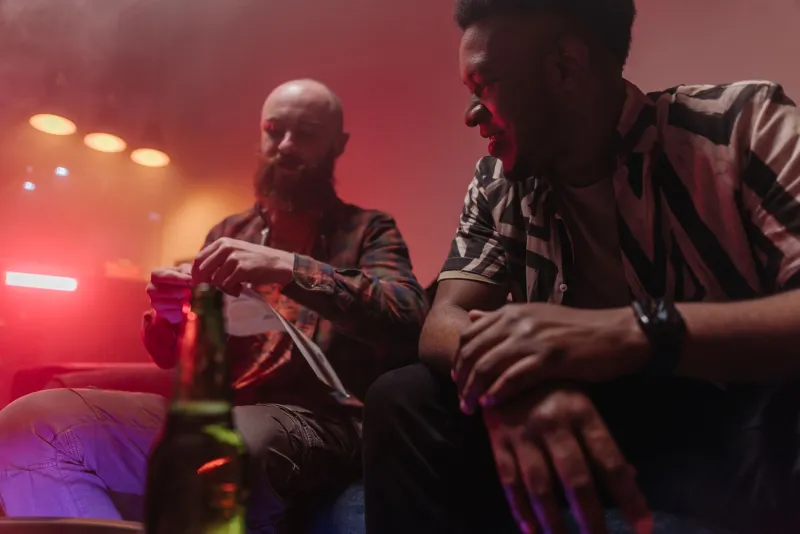
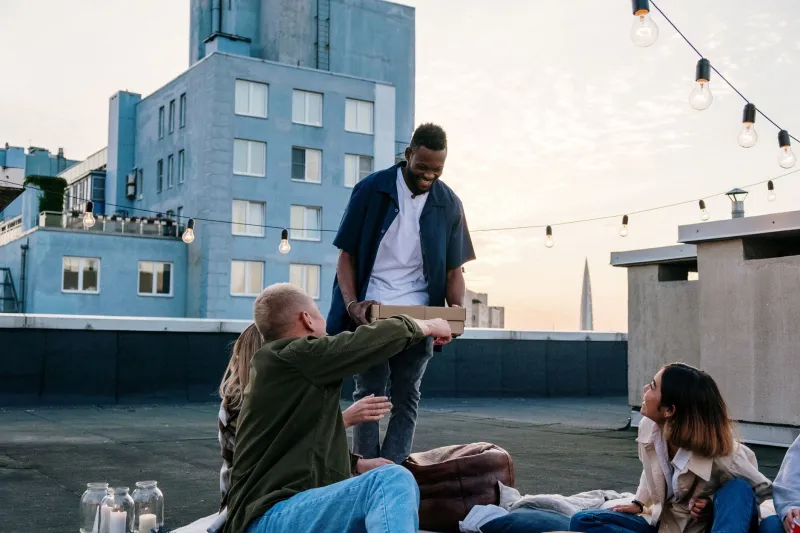
Spend any time scrolling through cigar content on Instagram or TikTok and you'll notice something that would have seemed genuinely surprising a decade ago. The faces lighting up premium sticks are younger than they used to be. They're more diverse. They're women and men, college-aged and early-career, smoking on apartment balconies and at urban rooftop bars as often as on golf courses or in wood-paneled lounges.
Premium cigar culture is in the middle of a demographic shift that nobody planned but everybody's starting to notice — and it's changing the hobby in ways that go way deeper than the aesthetic.
The Numbers Tell a Story
The cigar industry's own data has been tracking this for a few years now. Premium cigar sales in the US have held remarkably steady — even grown — through periods when plenty of other luxury categories were contracting. And a meaningful portion of that growth is coming from first-time and newer buyers who skew younger than the traditional demographic.
Retailers across the country are reporting the same thing anecdotally. New customers walking into shops are increasingly in their mid-20s to late-30s. They've often done their research online before they ever step through the door. They know what they want to try, they have opinions about it, and they're not intimidated by the category the way a newcomer might have been twenty years ago.
That confidence comes from somewhere specific: the internet.
Social Media Changed Everything
For most of cigar culture's history, knowledge was gated. You learned from the guy at your local shop, from an older mentor who smoked, from magazines with limited reach. The community was self-selecting in ways that made it hard for outsiders to break in.
Then YouTube channels started demystifying the hobby. Reddit communities gave people a place to ask questions without embarrassment. Instagram built a visual culture around premium cigars that made the lifestyle genuinely aspirational in a way that resonated with younger audiences who consume everything through images.
And TikTok — love it or dismiss it — has probably done more to introduce premium cigars to a 22-year-old demographic than any marketing campaign the industry ever ran. Short-form video content from enthusiasts reviewing sticks, explaining the culture, showing the ritual of the smoke has created a new entry point that bypasses the traditional gatekeeping entirely.
"I learned everything I know from YouTube before I ever bought my first cigar," says Marcus, a 27-year-old marketing professional in Atlanta who's been collecting for three years. "By the time I walked into a shop, I already knew I wanted to try a Perdomo before anything else. The guy behind the counter was kind of surprised."
That kind of informed new customer is becoming the norm rather than the exception.
Letting Go of the Country Club Aesthetic
Here's one of the more interesting cultural shifts happening in real time: younger enthusiasts are actively shedding the old-money, exclusionary associations that clung to premium cigars for decades.
The country club image — older white men, expensive memberships, conversations about golf handicaps and stock portfolios — was never the whole story of cigar culture. But it was the dominant image, and it functioned as a barrier. If you didn't see yourself in that picture, the hobby didn't feel like it was for you.
The new generation is replacing that image with something different. Cigars showing up at cookouts and block parties. Smoke sessions at craft brewery taprooms. Lounges in cities like Houston, Atlanta, Miami, and Chicago building communities that reflect the actual demographics of those cities.
This isn't a rejection of premium quality — if anything, newer enthusiasts are deeply quality-conscious, often more so than casual older smokers who just grab whatever's familiar. What they're rejecting is the stuffiness. The gatekeeping. The idea that you need to earn your way into the hobby through some invisible credentialing process.
Women Are a Growing Force in the Category
This deserves its own moment because the data and the anecdotes are increasingly aligned: women are entering premium cigar culture at a rate that's changing the social composition of lounges, online communities, and industry events.
Female cigar enthusiasts have always existed, but they were historically underserved and often made to feel like guests in a space that wasn't designed for them. That's shifting. Women-focused cigar events are popping up in major cities. Female reviewers and content creators have significant followings. Some of the most active and respected voices in online cigar communities are women.
Retailers who've adapted their spaces and their customer service approach to be genuinely welcoming to women are seeing the business results. Those who haven't are starting to notice what they're leaving on the table.
What Newer Smokers Actually Want
There are a few consistent patterns in how younger enthusiasts approach the hobby differently from the old guard.
They prioritize experience over status. Older cigar culture had a strong status component — the right brands, the right lounge membership, the right accessories. Younger smokers care more about how something tastes and how the experience feels than what it signals about their position.
They're more adventurous with pairings. Bourbon and cigars is a classic combination, but the new crowd is just as likely to be pairing a smoke with a craft IPA, a natural wine, or a specialty coffee. They're applying the same exploratory mindset to cigars that their generation has applied to food and drink broadly.
They want community, not hierarchy. The mentorship model — where a senior enthusiast passes down knowledge from a position of authority — is giving way to something more horizontal. Online communities where everyone's learning together, asking questions freely, sharing discoveries without ego. The vibe is collaborative rather than hierarchical.
They're more health-aware and intentional. This generation is generally more health-conscious than previous ones, and that extends to cigars. Many younger enthusiasts are deliberate about frequency — one or two premium smokes a week rather than daily. They're approaching it as a genuine luxury ritual rather than a habit.
The Industry Is Paying Attention
Cigar manufacturers and retailers who are watching these shifts are making moves. Marketing imagery is diversifying. Events are becoming more accessible and less clubby. Digital presence is being taken seriously in ways it wasn't five years ago.
The brands that figure out how to honor the craft and tradition that made premium cigars worth caring about — while making the culture genuinely welcoming to people who don't look like the old marketing materials — are going to be in the strongest position as this demographic wave continues building.
Because it's not a blip. The younger, more diverse cigar enthusiast isn't a trend. They're the future of the hobby.
And honestly? The hobby is better for it.